Verified Official Source: TIRME / Consell de Mallorca / IBESTAT (Medio Ambiente)TIRME-RSU-RECICLAJE-2006-2026
Urban Waste Management & Recycling Rate in Mallorca
Percentage of selective collection and recycling out of total municipal solid waste in Mallorca.
Time Horizon:
10-Year Trajectory+107.4%2016 ➔ 2026
20-Year Trajectory+261.3%2006 ➔ 2026
All-Time Historic Peak44,8%2026-S1
Period Lowest Floor12,4%2006-S1
📐 % selective recycling rate
2026-S1
4.590 €/m²
1st Half (H1: Jan–Jun)
💡
Mallorca's selective waste collection rate surged more than 3.6x from 12.4% in 2006 to 44.8% in 2026, driven by pioneering Balearic waste legislation and widespread organic composting adoption.
🚩Key Milestones & Turning Points
2008 · S1NORMATIVA
TIRME Son Reus Energy Recovery Plant Expansion
Mallorca eliminates untreated landfill disposal through state-of-the-art energy recovery and packaging sorting lines.
2019 · S1NORMATIVA
Balearic Waste Act 8/2019 (Ban on Single-Use Plastics)
Island-Wide Rollout of Organic Waste Bins (Brown Container)
All 53 municipalities in Mallorca adopt door-to-door and bin collection for organic composting.
2026 · S1RECORD
Approaching the 50% European Circularity Benchmark
Selective collection peaks at 44.8%, delivering all-time highs in circular economy materials recovery.
Island waste management in Mallorca has evolved into a European benchmark of circularity:
1. Key Highlights
- Recycling rates expanded from 12.4% in 2006 to **44.8% in 2026** (+261.3% growth).
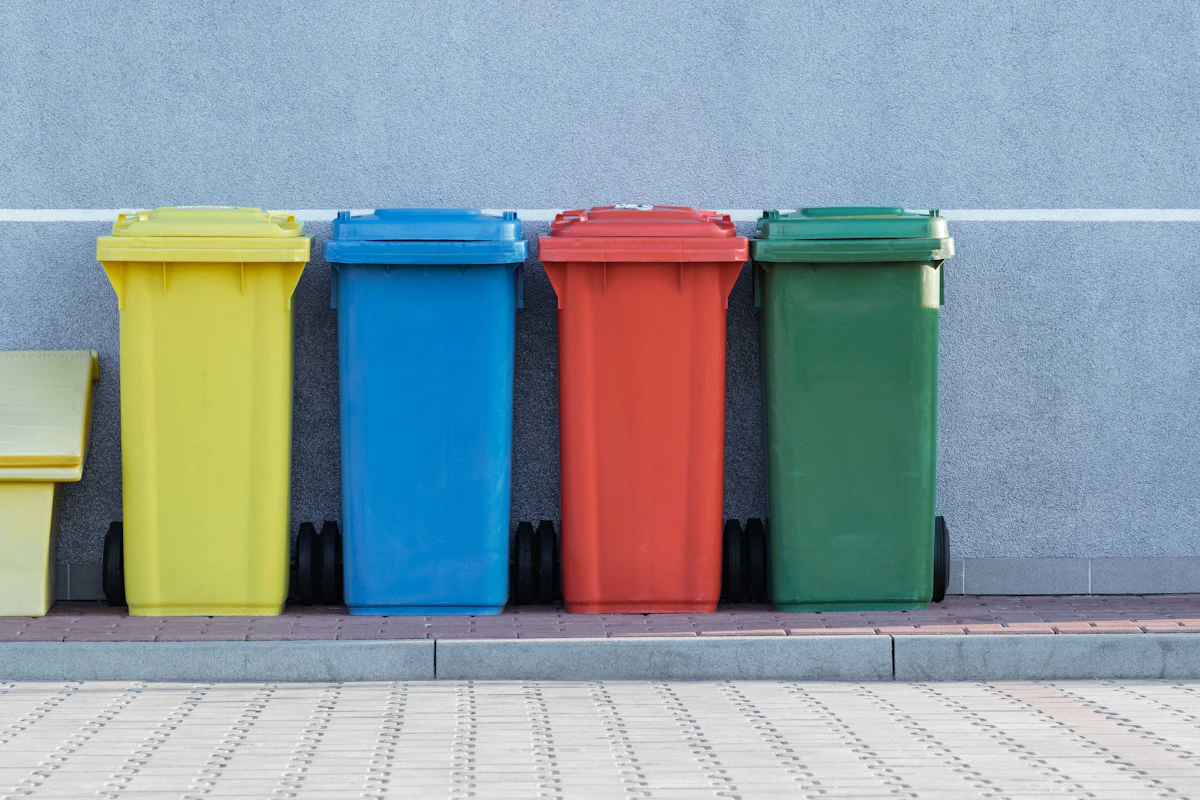
- Brown organic composting containers and strict single-use plastic bans have driven massive reduction in residual municipal waste.
Comprehensive building and property cleaning company in Palma: residential communities, corporate offices, high-altitude window washing, and post-construction scrubbing.
🧹
Limpiezas Mallorca Brill (Servicios Integrales)🧹 Luxury Villa & Finca Housekeeping